Lire une unité
Une unité se comprend par quatre axes : attaque, défense, vitesse et transport. Une troupe lente peut ralentir tout un détachement ; une unité avec du cargo peut transformer une victoire en gain économique.
La fiche technique donne les chiffres, mais la valeur réelle dépend toujours du contexte : raid, défense, espionnage, convoi, renfort ou contrôle de carte. Sur la page de formation, l’Éclaireur et le Chariot apparaissent en premier pour accompagner les objectifs et la logistique ; les autres unités suivent leurs prérequis, puis une puissance de combat croissante calculée par attaque plus défense, avant les spécialistes avancés.
Composer un détachement
Le serveur calcule les trajets et résolutions depuis les unités réellement envoyées. Mélanger des rôles peut être utile, mais chaque unité ajoutée modifie le temps, la capacité et le risque de l’action.
Une formation peut dépasser 1 000 unités si le bastion dispose des ressources et de la capacité nécessaires. Un garde-fou administrable limite seulement la taille d’un envoi, à 100 000 unités par défaut ; la limite personnelle des Explorateurs reste indépendante. Le rapport de fin de formation accorde le nom de l’unité et le verbe à la quantité réellement terminée.
Les classes principales suivent un triangle tactique : l’infanterie contre la cavalerie, la cavalerie contre les archers, et les archers contre l’infanterie. Les éclaireurs, chariots, ballistes et prêtres cendrés restent des spécialistes neutres.
L’Explorateur est une unité civile culturellement propre au peuple qui la forme. Avec 0 attaque, 0 défense et 0 transport, il ne peut rejoindre aucun combat, contrat, escorte ou garnison et ne compte pas dans leur puissance ; il sert exclusivement à révéler des lieux remarquables par les missions de cartographie.
Le bonus de contre est pondéré par la puissance militaire vulnérable dans l’armée adverse. Une composition entièrement favorable obtient le bonus maximal configuré ; une armée mélangée réduit naturellement cet avantage. Les pertes sont ensuite redistribuées : les classes directement contrées sont plus exposées, sans augmenter le volume global de pertes calculé pour le combat.
Quand un rapport d’espionnage a révélé la garnison, la préparation du raid compare les classes sélectionnées au dernier renseignement connu et indique une affinité favorable, équilibrée ou défavorable. Cette indication ne tient pas lieu de prédiction de victoire et peut devenir obsolète si la garnison change.
Une armée efficace n’est pas toujours la plus grosse : sa composition, le terrain, les doctrines et les fortifications déterminent ensemble sa puissance réelle.
Auxiliaires neutres
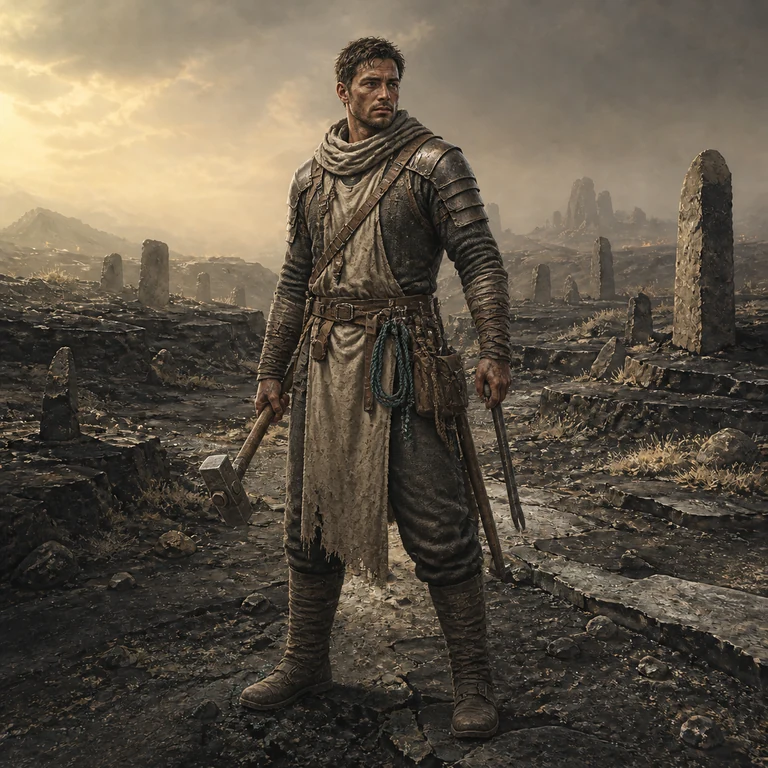
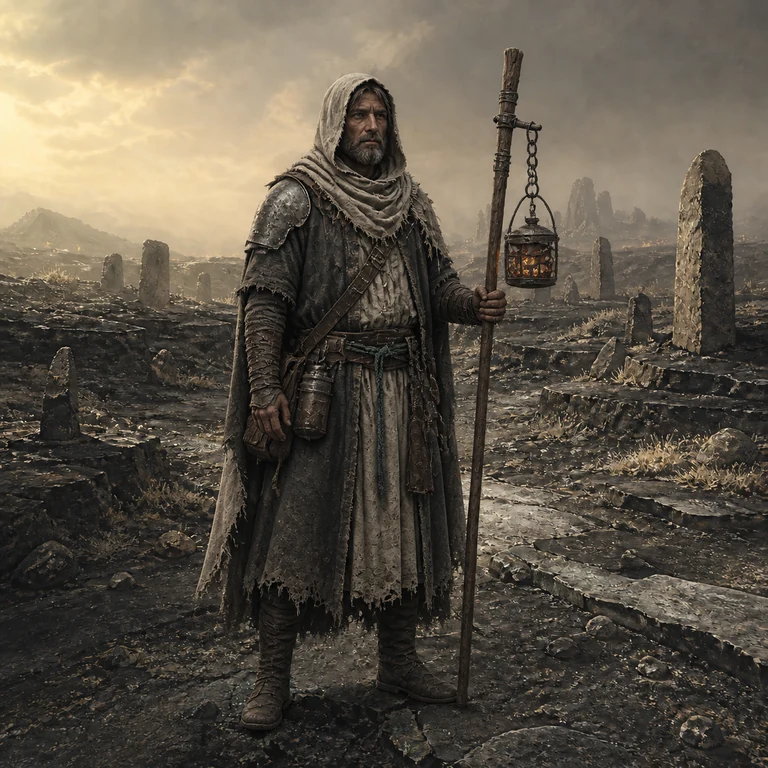
Le Veilleur errant, le Rôdeur des vestiges, le Sapeur libre et le Pénitent de Cendre sont culturellement indépendants et accessibles aux trois peuples. Leur origine ne remplace pas leur classe technique de combat : les doctrines de commandement du peuple du joueur s’appliquent normalement.
Ils ne sont jamais entraînables dans la Caserne et ne peuvent pas être achetés avec un accès Premium. Un contrat de lieu annonce leur quantité avant le départ ; au retour, ils rejoignent le bastion choisi, comptent dans la puissance, combattent, renforcent, sont rappelés et meurent comme les autres troupes. Dans les rapports, contrats, raids, garnisons et simulateurs, les quatre auxiliaires utilisent une pastille ronde cendrée distincte de la pastille dorée des unités régulières. Sur la page Unités, chaque auxiliaire reprend le cadre des unités régulières avec un nom en capitales, la pastille cendrée et des statistiques par icônes, tout en conservant son illustration complète. Le titre « Formation » sépare ensuite clairement les unités entraînables de ce roster sous contrat.
Chaque auxiliaire possède un plafond personnel dans le monde. Les contrats de recrutement ont aussi un droit saisonnier par joueur et par lieu ainsi qu’un délai explicite : il n’existe ni stock mondial ni transfert entre joueurs ou mondes.
Annuler une formation et retrouver ses ressources
L’annulation conserve les unités déjà terminées et rembourse uniquement celles qui restent à former, au prix payé lors du lancement. Le bilan indique les unités conservées, les unités annulées et les ressources remboursées. Une seconde demande ne rembourse rien de plus.
À l’échéance, la formation est terminée et ne donne plus lieu à remboursement. Les files antérieures à la mémorisation des prix conservent les tarifs connus au moment du déploiement.
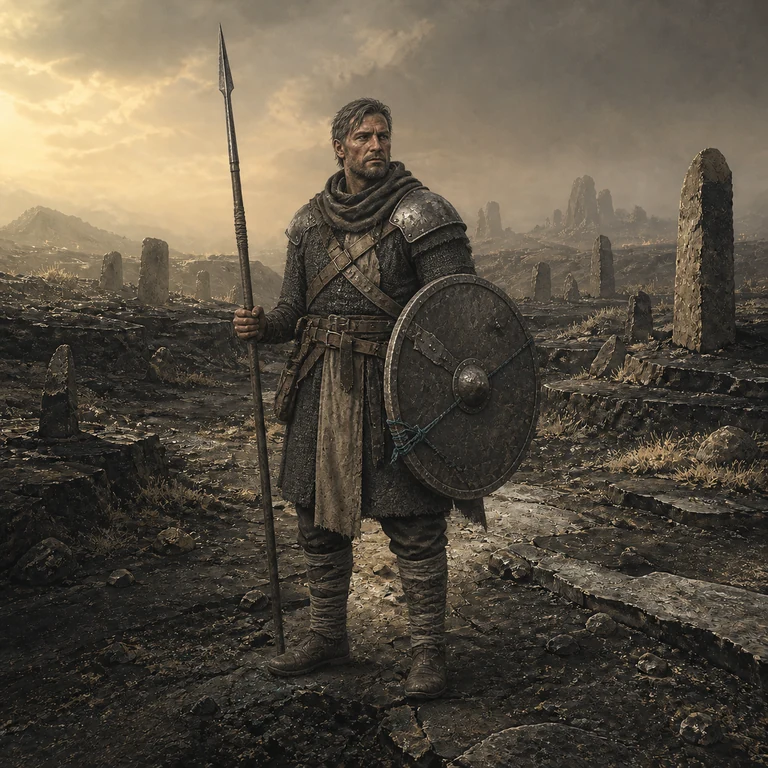
Unité : militia
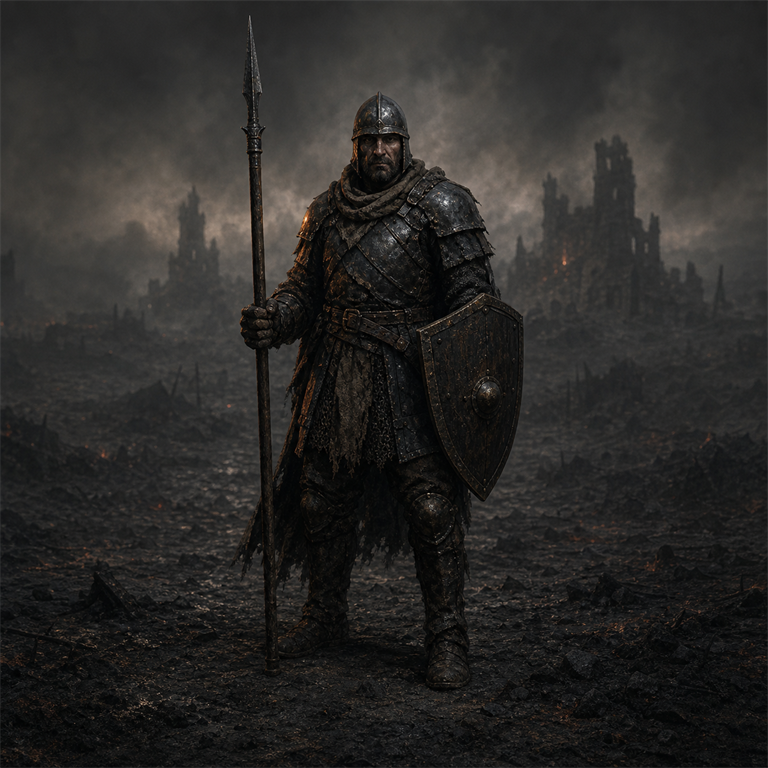
Milicien
Une lance, un manteau et assez de peur pour tenir les murs.
- Attaque
- 2
- Défense
- 5
- Vitesse
- 8
- Transport
- 10
- Formation par unité
- 00:00:45
Coût de base

- Vivres
- 45

- Bois sombre
- 20

- Fer
- 10
Détails
-
Classe de combat
Infanterie
-
Avantage contre
Cavalerie
-
Rôle tactique
Défense économique et contrôle de position.
Unité : raider
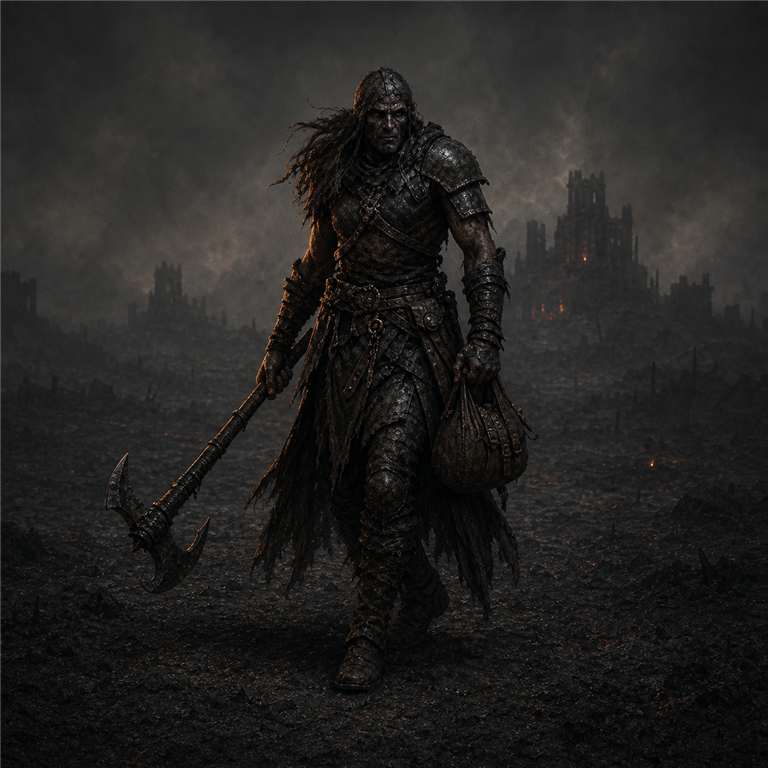
Pillard
Rapide, brutal, et rarement chargé de scrupules.
- Attaque
- 6
- Défense
- 2
- Vitesse
- 12
- Transport
- 35
- Formation par unité
- 00:01:30
Coût de base
- Vivres
- 80
- Bois sombre
- 30
- Fer
- 20
Détails
-
Classe de combat
Infanterie
-
Avantage contre
Cavalerie
-
Rôle tactique
Raid rapide et transport de butin.
Unité : bastion_guard
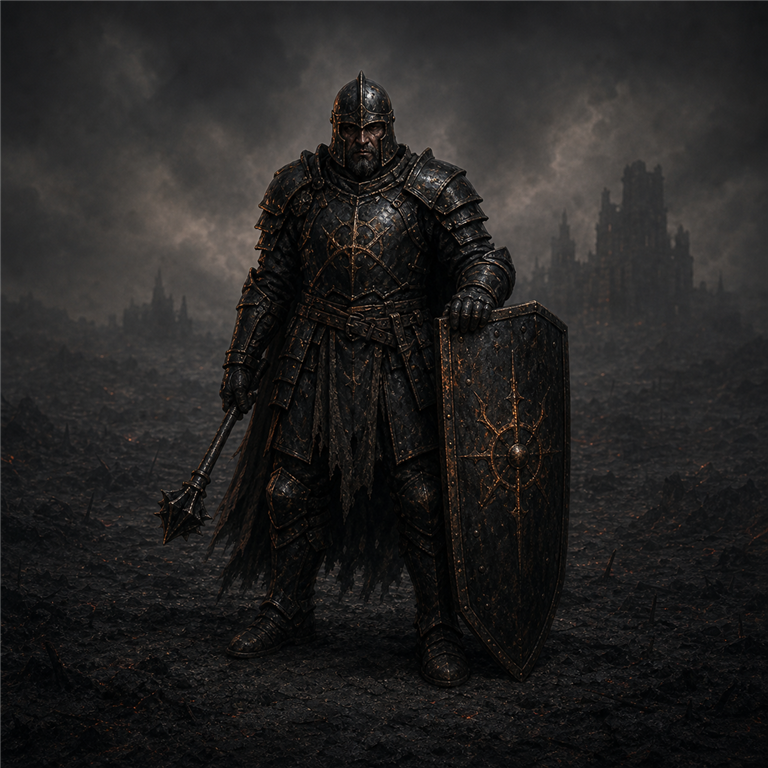
Garde du bastion
Un défenseur lourd, lent, discipliné par la nécessité.
- Attaque
- 4
- Défense
- 10
- Vitesse
- 6
- Transport
- 15
- Formation par unité
- 00:02:00
Coût de base
- Vivres
- 90
- Bois sombre
- 40
- Fer
- 60
Détails
-
Classe de combat
Infanterie
-
Avantage contre
Cavalerie
-
Rôle tactique
Défense lourde des bastions et positions fortifiées.
Unité : archer
Archer
Un tireur patient qui frappe avant que la mêlée ne se referme.
- Attaque
- 9
- Défense
- 3
- Vitesse
- 9
- Transport
- 15
- Formation par unité
- 00:02:15
Coût de base
- Vivres
- 90
- Bois sombre
- 65
- Fer
- 35
Détails
-
Classe de combat
Archers
-
Avantage contre
Infanterie
-
Rôle tactique
Attaque à distance, forêt et défense de position.
Unité : scout
Éclaireur
Des yeux prudents pour les routes mortes et les bastions voisins.
- Attaque
- 1
- Défense
- 1
- Vitesse
- 16
- Transport
- 5
- Formation par unité
- 00:01:15
Coût de base
- Vivres
- 55
- Bois sombre
- 25
- Fer
- 10

- Essence
- 5
Prérequis
- BâtimentCorbeautière niveau 1
Détails
-
Classe de combat
Spécialiste
-
Rôle tactique
Renseignement, vitesse et progression en forêt ou dans les ruines.
Unité : explorer
Explorateur
Un cartographe non combattant qui parcourt les secteurs inconnus à la recherche de lieux remarquables.
- Attaque
- 0
- Défense
- 0
- Vitesse
- 14
- Transport
- 0
- Formation par unité
- 00:02:30
Coût de base
- Vivres
- 85
- Bois sombre
- 40
- Fer
- 20
- Essence
- 15
Prérequis
- BâtimentCorbeautière niveau 2
- RechercheCartographie des Cendres niveau 1
Détails
-
Classe de combat
Spécialiste
-
Rôle opérationnel
Exploration uniquement — combat, escorte et garnison interdits
-
Rôle tactique
Cartographie personnelle des secteurs et découverte de lieux ; ne combat pas.
Unité : fallen_knight
Chevalier déchu
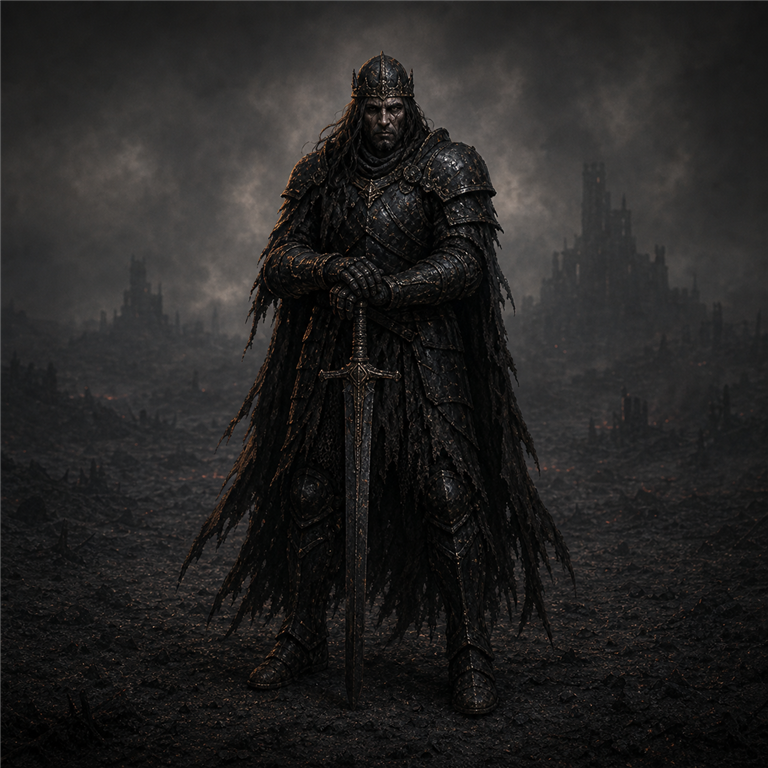
Une force lourde, coûteuse, encore liée à de vieux serments.
- Attaque
- 18
- Défense
- 9
- Vitesse
- 7
- Transport
- 30
- Formation par unité
- 00:04:00
Coût de base
- Vivres
- 160
- Bois sombre
- 60
- Fer
- 140
- Essence
- 20
Détails
-
Classe de combat
Infanterie
-
Avantage contre
Cavalerie
-
Rôle tactique
Assaut lourd et percée sur terrain ouvert.
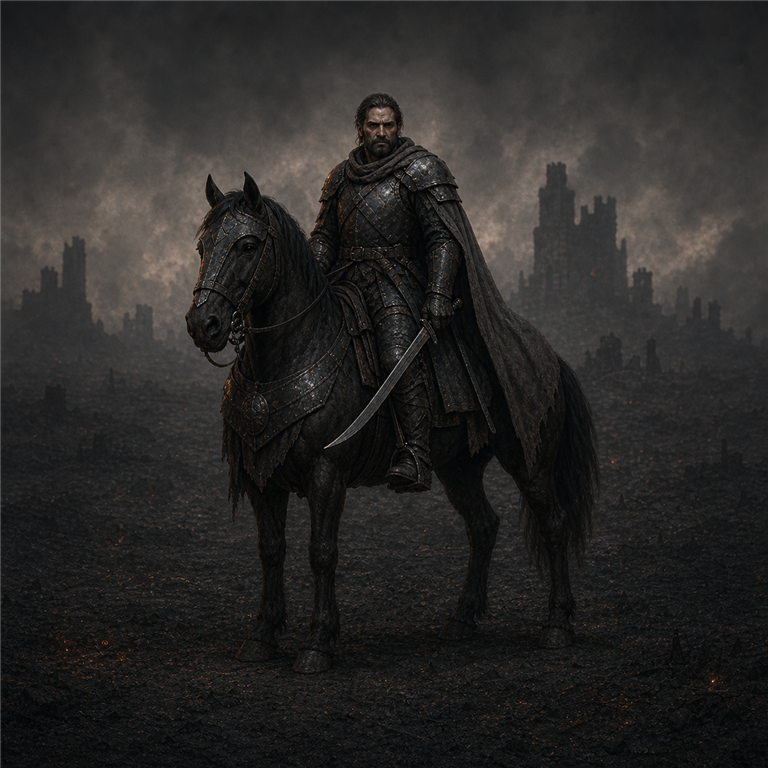
Unité : cavalry
Cavalier
Une lame montée, rapide sur terrain ouvert et redoutable en raid.
- Attaque
- 14
- Défense
- 7
- Vitesse
- 14
- Transport
- 25
- Formation par unité
- 00:03:30
Coût de base
- Vivres
- 150
- Bois sombre
- 80
- Fer
- 110
- Essence
- 10
Détails
-
Classe de combat
Cavalerie
-
Avantage contre
Archers
-
Rôle tactique
Raid mobile et charge sur terrain ouvert.
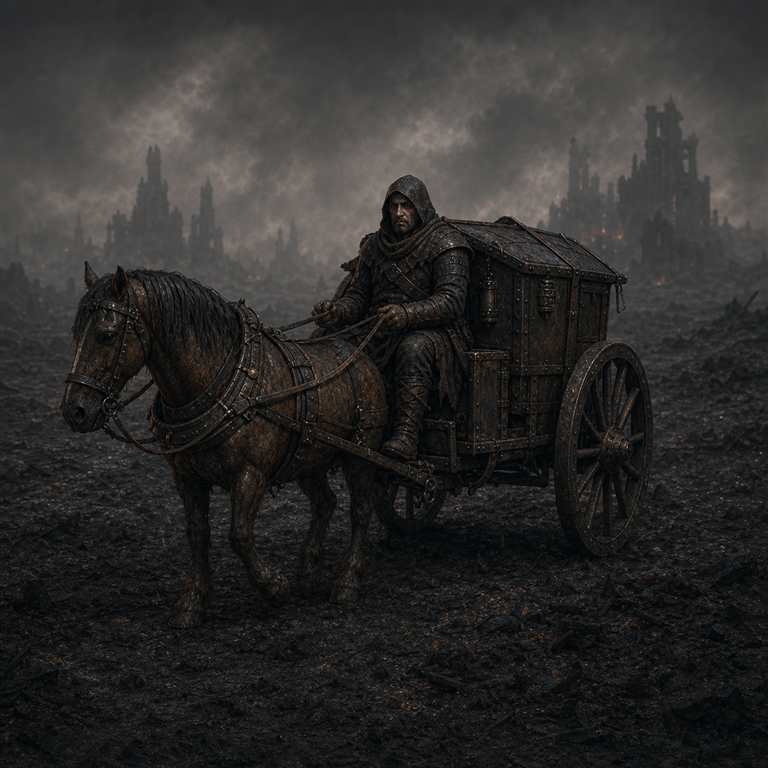
Unité : cart
Chariot
Lent, précieux, indispensable quand le pillage devient sérieux.
- Attaque
- 0
- Défense
- 2
- Vitesse
- 6
- Transport
- 120
- Formation par unité
- 00:01:50
Coût de base
- Vivres
- 70
- Bois sombre
- 120
- Fer
- 40
Détails
-
Classe de combat
Spécialiste
-
Rôle tactique
Transport massif et soutien logistique.
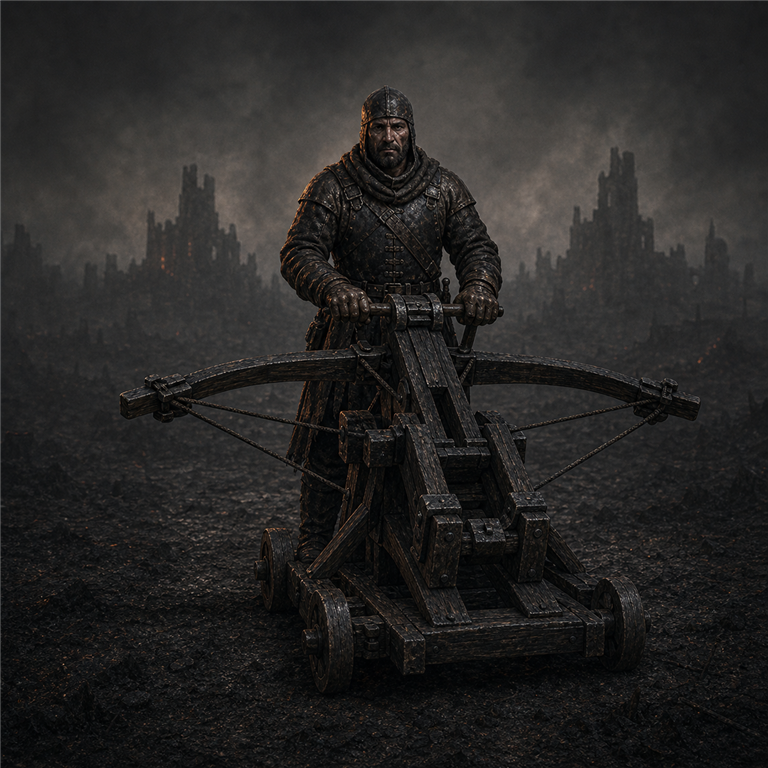
Unité : ballista
Baliste
Une machine lente, mais faite pour convaincre les murs.
- Attaque
- 22
- Défense
- 4
- Vitesse
- 4
- Transport
- 20
- Formation par unité
- 00:05:00
Coût de base
- Vivres
- 120
- Bois sombre
- 180
- Fer
- 170
Détails
-
Classe de combat
Spécialiste
-
Rôle tactique
Siège des avant-postes, tours et campements.
Unité : ash_priest
Prêtre cendré
Un soutien occulte à réserver aux rites plus dangereux.
- Attaque
- 3
- Défense
- 6
- Vitesse
- 7
- Transport
- 10
- Formation par unité
- 00:04:20
Coût de base
- Vivres
- 110
- Bois sombre
- 60
- Fer
- 40
- Essence
- 70
Prérequis
- BâtimentAutel de cendre niveau 1
Détails
-
Classe de combat
Spécialiste
-
Rôle tactique
Soutien occulte dans les cendres et les ruines.
Unité : wandering_warden
Veilleur errant
Infanterie auxiliaire défensive, particulièrement fiable en garnison.
- Attaque
- 5
- Défense
- 13
- Vitesse
- 6
- Transport
- 10
- Acquisition
- Contrat de lieu uniquement
Détails
-
Classe de combat
Infanterie
-
Origine culturelle
Auxiliaire indépendant, accessible aux trois peuples
-
Avantage contre
Cavalerie
-
Rôle tactique
Infanterie défensive et garnison fiable.
Unité : ruin_stalker
Rôdeur des vestiges
Éclaireur combattant rapide, rompu aux vestiges, cavernes et terrains difficiles.
- Attaque
- 10
- Défense
- 5
- Vitesse
- 15
- Transport
- 20
- Acquisition
- Contrat de lieu uniquement
Détails
-
Classe de combat
Archers
-
Origine culturelle
Auxiliaire indépendant, accessible aux trois peuples
-
Avantage contre
Infanterie
-
Rôle tactique
Éclaireur combattant rapide sur les terrains difficiles.
Unité : free_sapper
Sapeur libre
Spécialiste mobile des structures et des positions fortifiées.
- Attaque
- 12
- Défense
- 4
- Vitesse
- 9
- Transport
- 40
- Acquisition
- Contrat de lieu uniquement
Détails
-
Classe de combat
Infanterie
-
Origine culturelle
Auxiliaire indépendant, accessible aux trois peuples
-
Avantage contre
Cavalerie
-
Rôle tactique
Spécialiste mobile des structures fortifiées.
Unité : ash_penitent
Pénitent de Cendre
Soutien endurant lié aux rites de purification de la Cendre.
- Attaque
- 4
- Défense
- 9
- Vitesse
- 7
- Transport
- 15
- Acquisition
- Contrat de lieu uniquement
Détails
-
Classe de combat
Archers
-
Origine culturelle
Auxiliaire indépendant, accessible aux trois peuples
-
Avantage contre
Infanterie
-
Rôle tactique
Soutien défensif lié à la purification locale.